

01
Nov
Nov
How to Start a Foodstuff Trading Business in Dubai — A Complete Guide by HT360 License Service
Introduction: Why Dubai Is the Hub for Food Trading
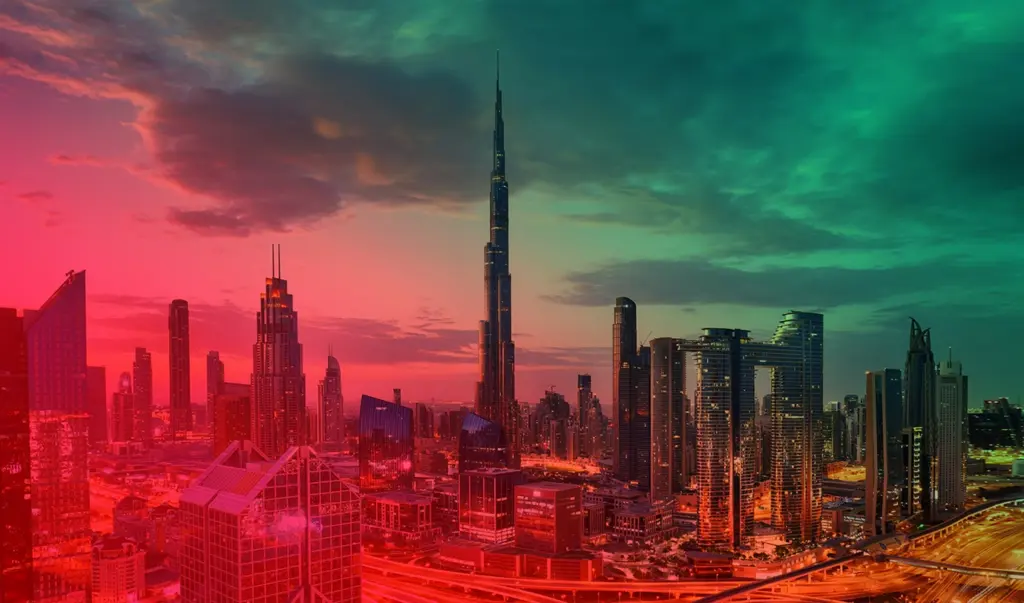
Dubai’s vibrant economy, multicultural population, and world-class logistics make it a global hub for the foodstuff trade. Entrepreneurs worldwide are tapping into this thriving market — importing, exporting, and distributing food products across the Middle East and beyond.
Starting a foodstuff trading business in Dubai not only ensures access to international markets but also benefits from tax advantages, free-zone incentives, and a strong regulatory framework that promotes food safety and quality.
This blog by HT360 License Service explains how to get your Foodstuff Trading License, step by step — quickly, efficiently, and legally.
What Is a Foodstuff Trading License in Dubai?
A Foodstuff Trading License allows companies to import, export, distribute, and sell food products such as grains, dairy, meats, beverages, and packaged foods within Dubai and the UAE.
It’s issued by the Department of Economic Development (DED) for mainland setups, or by a Free Zone Authority for free-zone businesses.
Why Dubai Is Ideal for Foodstuff Trading
- Strategic Location – Direct trade access to Asia, Africa, and Europe.
- Zero Income Tax – 100% foreign ownership in free zones.
- Modern Infrastructure – Jebel Ali Port, Dubai Airport Cargo, advanced logistics.
- Diverse Population – High demand for ethnic, organic, and international cuisines.
- Government Support – Streamlined setup, investor protection, and incentives
Types of Foodstuffs You Can Trade
The Dubai foodstuff license covers a wide variety of categories, including:
- Grains & Cereals: rice, wheat, oats, barley.
- Dairy Products: milk, cheese, butter, yogurt.
- Meat & Poultry: halal-certified suppliers only.
- Seafood: fresh, frozen, and packaged products.
- Fruits & Vegetables: fresh, organic, and frozen.
- Processed Foods: sauces, canned goods, ready meals.
- Beverages: juices, soft drinks, specialty drinks.
- Organic & Health Foods: vegan, gluten-free, sustainable options.
Key Market Trends in Dubai’s Food Industry
- Health & Wellness Boom — demand for organic, plant-based, and low-sugar options.
- Sustainability Focus — eco-friendly packaging and green logistics.
- Digital Transformation — e-commerce and food delivery platforms expanding reach.
- Ethnic Cuisines — multicultural population fueling diverse imports.
Regulatory Compliance & Food Safety
Dubai maintains strict food safety standards through agencies like:
- Dubai Municipality – Food Safety Department
- Emirates Authority for Standardization & Metrology (ESMA)
Key certifications include:
✅ HACCP (Hazard Analysis Critical Control Point)
✅ ISO 22000 for food management systems
✅ Halal Certification for regional complianceStep-by-Step: How to Start a Foodstuff Trading Business
- Market Research — identify products, target markets, and competitors.
- Choose Business Structure — Mainland (DED) or Free Zone.
- Register Your Trade Name with DED or the free-zone authority.
- Apply for Your Foodstuff Trading License with HT360 assistance.
- Obtain Municipality Approvals for food safety and storage.
- Lease a Warehouse / Storage Facility that meets hygiene standards.
- Open a Corporate Bank Account.
Start Importing & Trading!
